

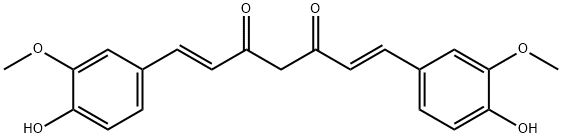
| 中文名称 | 姜黄素 |
| 英文名称 | Curcumin |
| CAS号 | 458-37-7 |
| 分子式 | C21H20O6 |
| 分子量 | 368.38 |
| EINECS号 | 207-280-5 |
| 熔点 | 183 °C |
| 沸点 | 418.73°C (rough estimate) |
| 密度 | 0.93 |
| 蒸气密度 | 13 (vs air) |
| 折射率 | 1.4155-1.4175 |
| 闪点 | 208.9±23.6 °C |
| LogP | 3.290 (est) |
| 溶解度 | 乙醇:10 mg/mL |
| 色指数 | 75300 |
| 形态 | 粉末 |
| 酸度系数(pKa) | 8.09(at 25℃) |
| 颜色 | 橙色 |
| 气味 (Odor) | 无味 |
| 酸碱指示剂变色ph值范围 | Yellow (7.8) to red-brown (9.2) |
| 水溶解性 | Slightly soluble (hot) |
| 最大波长(λmax) | 430nm |
| 默克索引编号 | 14,2673 |
| BRN | 2306965 |
| Concentration | 1 mCi/ml |
| Solvent | Ethanol |
| Specific Activity | 5-15 Ci/mmol |
| 稳定性 | 稳定,但可能对光敏感。与强氧化剂不相容。 |
| 主要应用 | Cosmetics, drug-eluting stents, inhibition of formation of skin-wrinkles, treating alzheimer’s disease, skin diseases, coronary restenosis, diabetes, obesity, leukemia, neurofibromas, cancer, antimicrobial, antiviral, antiinflammatory, antiprostate cancer |
| 危险品标志 | Xi |
| 危险类别码 | 36/37/38 |
| 安全说明 | 26 |
| WGK Germany | 3 |
| RTECS号 | MI5230000 |
| Hazard Note | Irritant |
| TSCA | Yes |
| 海关编码 | 29145000 |
| 毒害物质数据 | 458-37-7(Hazardous Substances Data) |
| 毒性 | LD50 Oral-Rat-12.200 mg/kg |
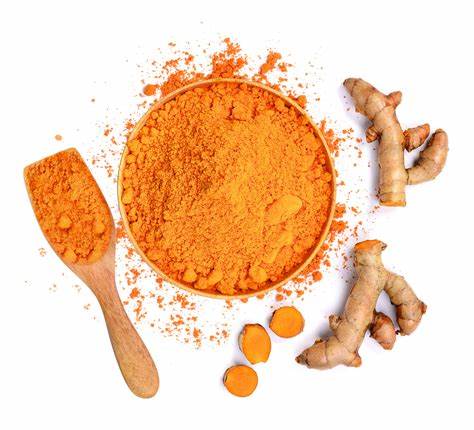
姜黄素又称姜黄色素、酸性黄,是从姜科植物姜黄、莪术、芥末、咖哩、郁金等根茎中提取的一种天然的酚类抗氧化剂,主链为不饱和脂族及芳香族基团,是植物界很稀少的具有二酮的色素,属二酮类化合物,是常用的调料及食用色素,无毒,具有利胆、抗感染、使子宮产生阵发性收缩、降低血胆固醇、抗病毒、抗菌、抗氧化(作用强于α-生育酚)、抗凝血、降血脂和抗动脉粥样硬化等多种药理作用。1985年印度学者Kuttan首次提出姜黄素的抗癌作用,近年来,姜黄素对多种肿瘤细胞的产生、增殖、转移均有抑制作用机理被发现。美国国立肿瘤研究所将其列为第3代肿瘤治疗药。与丝裂霉素C配伍后,降低了丝裂霉素C的用药剂量,同时可以降低单独运用丝裂霉素C产生的肾毒性和骨髓抑制,可提高丝裂霉素C治疗乳腺癌效果。
姜黄素在体内外对各种毒性物质如四氯化碳、黄曲霉素B1、对乙酰氨基酚、环磷酰胺诱导的肝损害均有防护作用,显著降低酒精性肝损害(ALI)动物的碱性磷酸酶、r-谷氨酰转肽酶(r-GT)活性,防止实验性脂肪肝的发生。
溶解性 不溶于水和乙醚;溶于乙醇和冰醋酸。按OT-42方法测定。
熔程179~182℃。按常规方法测定。
显色反应A 试样的乙醇溶液应呈纯黄色和有浅绿色荧光;如将此乙醇萃出液加入浓硫酸,则产生深紫红色。
显色反应B用盐酸处理试样的水溶液或稀乙醇溶液,直至开始稍呈橙色。将此混合液分为两份,在一份中加少量硼酸粉末或晶体,与不加硼酸的那部分相比,其颜色显著变红。也可将数片滤纸在色素的乙醇溶液中浸渍后,于100℃下干燥,再用硼酸的稀溶液(加有几滴盐酸)湿润。干燥后应呈樱桃红色.。
色谱法 取试液5ml(0.01g试样溶于1mL95%乙醇)滴于薄层色谱(微晶纤维素,0.1mm)上,放于盛有3-甲基-1-丁醇/乙醇/水/氨(4:4:2:1)混合液的展开槽中,使溶剂前沿上升10~15cm。经一昼夜后在紫外光下观察:
有三个黄色斑点,其Rf在0.2~0.4之间;
其他斑点的Rf为0.6~0.8;
所有斑点在紫外光下均呈黄色荧光。
6.95%乙醇液在425nm处有最大吸收峰。正确称取试样约0.08g,用乙醇移人一个200ml容量瓶中,摇至溶解。用乙醇定容后摇匀。用乙醇制备100倍的稀释液。盛入一个1cm吸收池(GT-29),测定在425nm处的吸光度(A),按下式计算试样中总色素物质的含量一A×20000./W×1607,式中A为试样吸光度,W为试样量(g)。测定不得延迟,以免发生褐变而失实。LD50 Oral-Rat-12.200 mg/kg
GB 2760-96:碳酸饮料、糖果、冰激凌、果冻,0.01g/kg。
每个分子结构中均有两个活性酚结构,故具有一定的抗氧化能力。
日本用于咸菜、火腿、香肠以及苹果、菠萝、栗子的糖渍品。
A natural phenolic compound. Potent anti-tumor agent having anti-inflammatory and antioxidant properties. Induces apoptosis in cancer cells and inhibits phorbol ester-induced protein kinase C (PKC) ac tivity. Reported to inhibit production of inflammatory cytokines by peripheral blood monocytes and alveolar macrophages. Potent inhibitor of EGFR tyrosine kinase and IB kinase. Inhibits inducible nit ric oxide synthase (iNOS), cycloxygenase and lipoxygenase. Easily penetrates into the cytoplasm of cells, accumulating in membranous structures such as plasma membrane, endoplasmic reticulum and nucle ar envelope. Curcumin is currently being examined as a possible therapeutic for the treatment of Alzheimers disease (Chem. and Eng. News 90(31), 44 (2012)).
在70~80℃下先用8倍量1%的氢氧化钠溶液浸提0.175~0.36mm的姜黄粉60~75min,过滤后滤渣再浸提2次,溶剂用量和时间可依次酌减;合并3次滤液,加入液量0.8%的亚硫酸氢钠溶液,经浓缩后用盐酸调pH值为3~4;静置分层后弃上清液,下层沉淀经抽滤得半固体状的姜黄素、姜黄油和姜黄树脂混合物;在70℃下用70%的乙醇溶解混合物,趁热过滤而除去不溶于乙醇的姜黄树脂,滤液再用石油醚萃取,石油醚相经减压蒸馏回收石油醚后得姜黄油,萃余乙醇相经减压蒸馏得姜黄素,收率可达0.5%~1.5%。
有机溶剂提取
姜黄素能溶于乙醇、乙醚、丙酮或二氯甲烷等多种溶剂,可选用其中一种从0.16~0.32mm的姜黄粉中浸提姜黄素和姜黄油,经分离浓缩后用石油醚萃取分离姜黄油,萃余相经减压蒸馏得姜黄素,收率一般为0.55%~1.5%。
分步提取
在100~105℃下将姜黄粉水蒸气蒸馏4~6h,得姜黄油,在80℃下用1%的氢氧化钠溶液浸泡滤渣25min;过滤,滤液用盐酸中和酸化,再过滤得姜黄素粗品,精制后即得成品。
(2)有机溶剂提取。姜黄素能溶于乙醇、乙醚、丙酮或二氯甲烷等多种溶剂,可选用其中一种从0.16-0.32mm的姜黄粉中浸提姜黄素和姜黄油,经分离浓缩后用石油醚萃取分离姜黄油,萃余相经减压蒸馏得姜黄素,收率一般为0.55%-1.5%。
(3)分步提取。在100-105℃下将姜黄粉水蒸气蒸馏4-6h,得姜黄油,在80℃下用1%的氢氧化钠溶液浸泡滤渣25min;过滤,滤液用盐酸中和酸化,再过滤得姜黄素粗品,精制后即得成品。
-
CAS号:22608-11-3
脱甲氧姜黄 , 来源于姜黄 -
CAS号:123694-03-1
(E)-3,4-二羟基苯亚甲基丙酮 , 来源于紫萁贯众 -
CAS号:458-36-6
4-羟基-3-甲氧基肉桂醛 -
CAS号:117-39-5
槲皮素 -
CAS号:111-16-0
庚二酸 -
CAS号:122-84-9
对甲氧基苯基丙酮 -
CAS号:100-66-3
苯甲醚 , 99.7% , 超干溶剂, water≤20 ppm, J&KSeal瓶 -
CAS号:456-55-3
三氟甲氧基苯 -
CAS号:24939-16-0
双去氧基姜黄素 -
CAS号:104-94-9
对甲氧基苯胺 -
CAS号:97-54-1
异丁香酚 (顺反混合物) -
CAS号:2050-20-6
庚二酸二乙酯 -
CAS号:109-49-9
烯丙基丙酮 -
CAS号:1914-99-4
偶氮氯膦Ⅲ -
CAS号:7723-14-0
赤磷 -
CAS号:3070-53-9
1,6-庚二烯